
Thinking style
How the person processes information and solves problems.
The Occupational DNA® process
Occupational DNA® turns assessment information into a position-specific model for stronger hiring, succession, and job-fit decisions.
The core idea
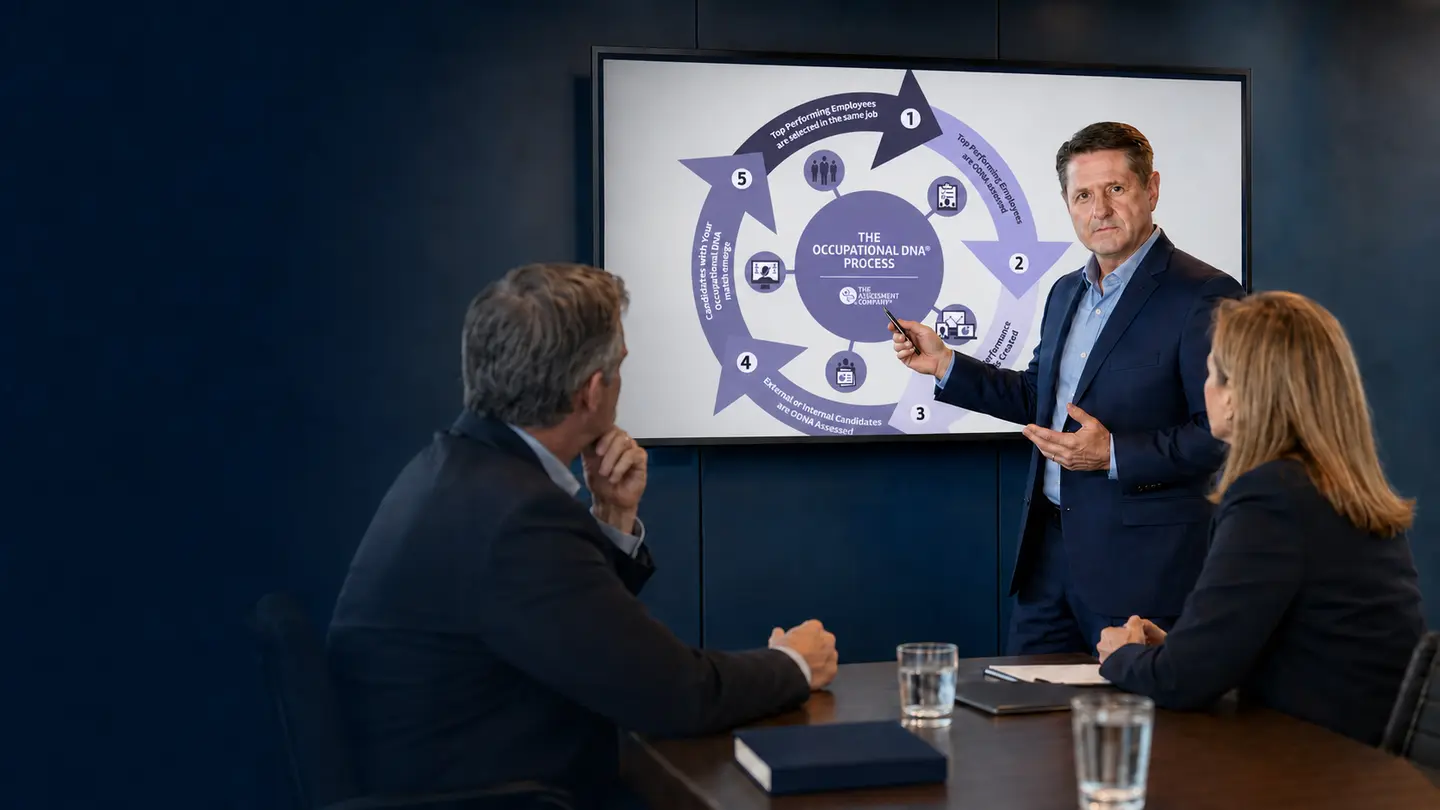
Occupational DNA® is a five-step, position-specific process that uses assessment data from top-performing employees to define what success looks like and evaluate candidates for job fit.
Experience matters, but it does not fully explain how someone will think, behave, stay engaged, or fit the demands of a specific job.
Occupational DNA® adds structured evidence beneath the surface. It begins with the work and uses the right assessment information to make the match more visible.
See the process
Watch this short overview to see how the process connects job requirements, assessment evidence, and performance modeling for hiring, promotion, and development decisions.
Three strands of insight
How the person processes information and solves problems.
How the person is likely to approach people, pace, structure, and change.
The work activities that may naturally sustain attention and motivation.
The Occupational DNA® process
Each step builds evidence—from proven employees in the role through candidate comparison—to make job fit clearer and more consistent.
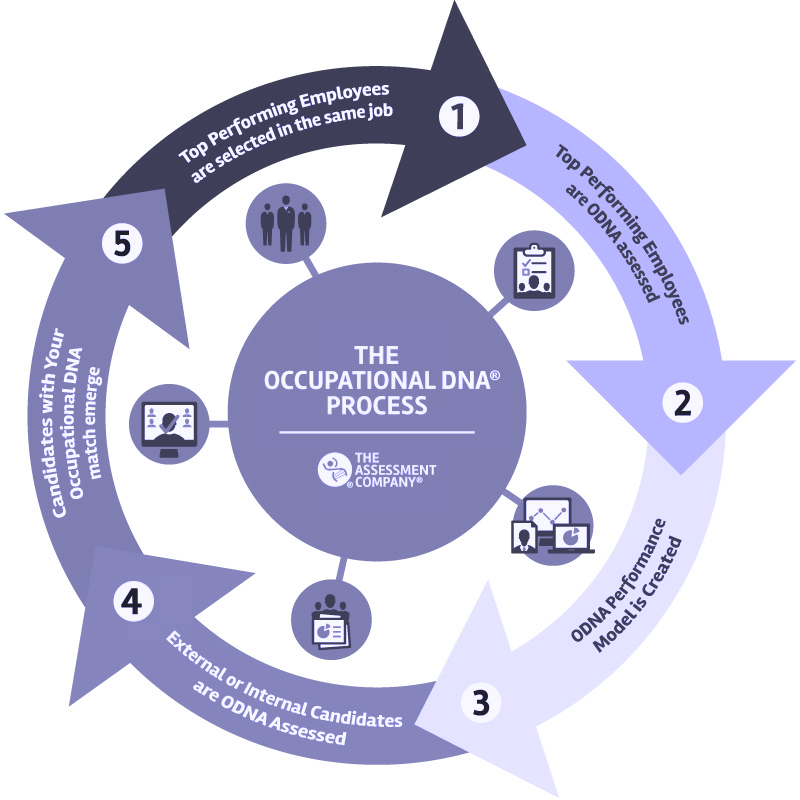
Identify employees who consistently succeed in the same job using meaningful performance evidence and input from leaders who understand the role.
Assess the selected top-performing employees with PXT Select to capture their Occupational DNA® and reveal what success looks like in that specific job.
Analyze the top performers’ results to identify shared ranges and patterns, then use that evidence to create a model for the specific job.
Administer the same assessment consistently to candidates being considered for hiring, promotion, or succession.
Compare each candidate’s results with the Performance Model to reveal alignment, guide structured interviews, and support—not replace—the final decision.
The output
The model creates a consistent reference point for comparing candidates, preparing interviews, and discussing fit without pretending any single score makes the decision.
Explore PXT Select →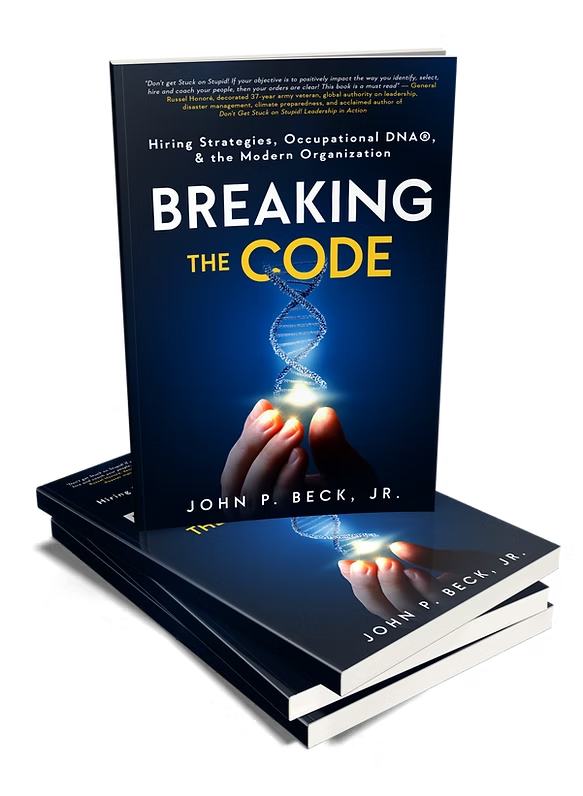
Read the framework
Hiring Strategies, Occupational DNA®, & the Modern Organization explains how to move beyond surface-level hiring and build decisions around the natural demands of the work.
View the book on Amazon ↗Occupational DNA® questions
Occupational DNA® is a structured five-step process developed by The Assessment Company® to connect assessment data, job requirements, and patterns from successful employees. PXT Select is the primary assessment used within the process.
The process considers thinking style, behavioral traits, and interests, along with the realities of the position and the organization.
A model can be informed by the job itself, by assessment patterns among top performers, or by both. The goal is to define evidence-based ranges associated with success in that specific role.
Yes. Models should be reviewed as jobs, teams, technology, and performance expectations change.
No. It is primarily led by PXT Select and can support selected other tools offered by The Assessment Company®. It is not positioned with Everything DiSC®, CheckPoint 360°, or Step One Survey II®.
Define the role before comparing people
Tell us what success requires and where recent hires have struggled. We’ll help you decide whether PXT Select and Occupational DNA® fit the need.